EV Charging Cable Theft Prevention: Risks, Tactics and Effective Solutions for Sydney EV Owners
EV charging cable theft is an emerging security challenge that every electric vehicle owner and fleet manager in Sydney needs to understand. This article covers the key risks, the tactics thieves use, and the most effective prevention strategies you can put in place today.
Why EV Charging Cable Theft Is a Growing Problem
The rapid rise in electric vehicle ownership across New South Wales has created an unexpected opportunity for opportunistic criminals. As more drivers make the switch from traditional car ownership to electric alternatives, the demand for charging infrastructure has surged, and so has the value of the hardware that supports it.
EV charging cables contain significant quantities of copper wiring, which fetches a strong price at scrap metal yards. A single cable can be worth anywhere from a few hundred to over a thousand dollars in raw materials alone, making them an attractive target for thieves looking for a quick return. The problem is compounded by the fact that cables are often left unattended in public car parks, apartment complexes and workplace charging bays for extended periods overnight.
Several factors are driving this trend in Sydney and across the broader NSW region:
- Rising copper prices: Global commodity markets have pushed copper values higher, increasing the incentive for metal theft.
- Increased EV adoption: More vehicles on the road means more cables in circulation and more targets available.
- Low perceived risk: Poorly lit or unsupervised charging areas give thieves confidence they will not be caught.
- High replacement costs: Owners face expensive replacement bills and extended periods without a functioning charging setup.
For businesses managing corporate fleets or residential complexes with shared charging facilities, a single theft incident can disrupt operations and generate significant unexpected costs. Understanding why this crime is on the rise is the essential first step toward putting effective deterrents in place.
How Thieves Target EV Charging Cables
Understanding how cable theft actually happens is the first step toward stopping it. EV charging cables are attractive targets for opportunistic thieves and organised criminals alike, and the methods used to steal them are becoming increasingly sophisticated across Sydney and the broader New South Wales region.
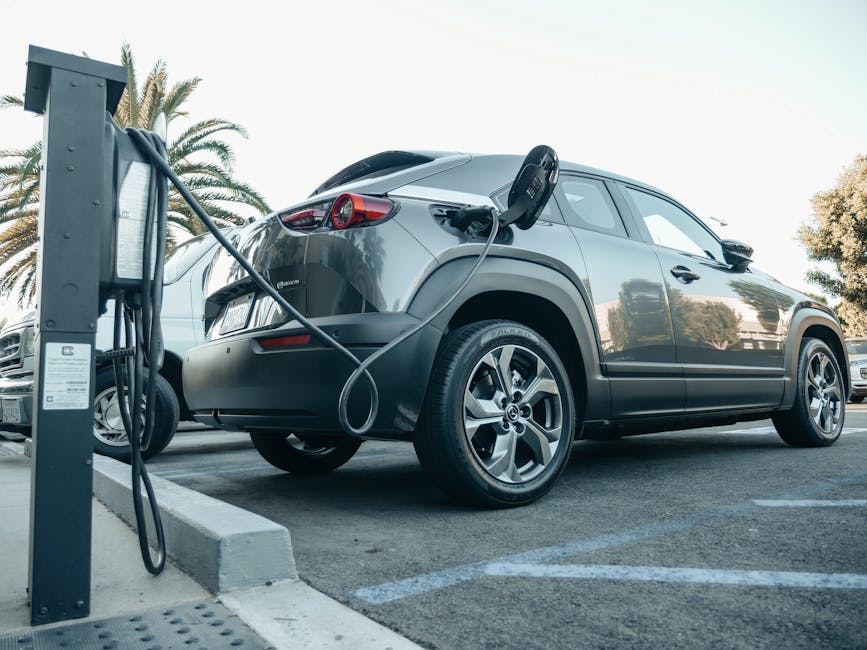
The most common approach is straightforward opportunism. When an EV is left unattended at a public charging station, a thief can disconnect and remove an unlocked cable in a matter of seconds. Many drivers are unaware that their vehicle's charge port does not automatically lock the cable in place, leaving it vulnerable whenever they step away.
Thieves also exploit predictable patterns. Charging sessions often run for extended periods, particularly overnight or during work hours, giving criminals a generous window to act without drawing attention. Poorly lit car parks, quiet industrial areas and residential streets with minimal foot traffic are especially favoured locations.
Beyond simple theft, some offenders use cutting tools to sever cables quickly, particularly when targeting the more valuable Type 2 and CCS cables, which contain copper wiring that can be sold as scrap metal. This means even cables that appear securely connected can be targeted for the materials inside them.
Key factors that make cables more vulnerable include:
- Low visibility locations with no CCTV coverage or security patrols
- Absence of cable locking mechanisms on the vehicle or charging station
- Predictable charging routines that thieves can observe over time
- High scrap metal value of copper-core charging cables
- Limited deterrents such as lighting, signage or on-site security presence
Recognising these patterns helps EV owners and property managers make smarter decisions about where cables are used and how charging areas are secured.
Physical Security Measures to Protect Your EV Charging Cable
When it comes to stopping cable theft before it starts, physical deterrents remain your first and most effective line of defence. Opportunistic thieves target cables that are easy to grab and go, so making your setup visibly difficult to steal is a powerful preventive step.
- Locking cable connectors: Many EV manufacturers and third-party suppliers now offer connector locks that prevent the cable from being unplugged while charging. These small devices attach directly to the charge port and require a key or PIN to release.
- Cable reels with integrated locks: Purpose-built storage reels with built-in locking mechanisms keep your cable secured and neatly stored when not in use, reducing both theft risk and trip hazards.
- Heavy-duty cable protectors: Armoured cable sleeves made from cut-resistant materials significantly slow down anyone attempting to slice through your cable. Thieves rely on speed, and resistant materials force them to abandon the attempt.
- Ground anchors and tethering points: Securing your cable to a fixed ground anchor or wall-mounted bracket using a hardened steel cable lock adds another layer of physical resistance.
- Bollards and protective housings: Installing bollards or lockable enclosures around charging stations, particularly in commercial carparks and residential complexes, limits physical access to the equipment itself.
For property owners and strata managers across Sydney and New South Wales, combining these physical measures with a broader electronic security strategy delivers the strongest results. A professionally installed CCTV surveillance system positioned to cover your charging area creates a visible deterrent while capturing footage if an incident does occur. Pairing that with a reliable access control solution means only authorised users can enter the charging zone in the first place, dramatically cutting your exposure to theft.
Physical hardening works best as part of a layered approach rather than a standalone fix.
Smart Technology Solutions for EV Charging Cable Security
As electric vehicle adoption accelerates across Sydney and the broader New South Wales region, smart technology is playing an increasingly important role in protecting charging infrastructure. Relying on physical locks alone is no longer enough. A layered approach that combines electronic security systems with physical deterrents gives EV owners and property managers the strongest possible protection against cable theft.
Several proven smart technology solutions are worth considering:
- CCTV surveillance: Strategically placed cameras covering charging bays act as a powerful visual deterrent and provide critical footage if a theft does occur. Modern CCTV systems offer high-definition night vision, wide-angle coverage and remote monitoring capabilities that make them highly effective in low-traffic carparks and overnight settings.
- Motion-activated lighting: Bright, automatic lighting triggered by movement removes the cover of darkness that cable thieves rely on. Combining this with CCTV creates an environment where criminal activity is extremely difficult to conceal.
- Access control systems: Restricting charging areas to authorised users through keycard, PIN or app-based access control significantly reduces opportunistic theft. If only verified users can enter a charging zone, the pool of potential offenders shrinks considerably.
- Security alarms with vibration or cut sensors: Specialised alarm sensors can detect tampering, cutting or unusual movement on cables and trigger an immediate alert to a monitoring centre or the property owner.
- 24/7 back-to-base monitoring: Real-time monitoring means that any triggered alarm or suspicious activity is responded to promptly, rather than discovered after the fact.
For commercial properties, strata complexes and fleet operators across Sydney, integrating these electronic security measures into existing building security infrastructure is a practical and cost-effective step. A qualified security provider can assess your specific charging setup and recommend a tailored combination of surveillance, access control and alarm systems that address your vulnerabilities directly.
What to Do If Your EV Charging Cable Is Stolen
Discovering your charging cable has been stolen is frustrating, but acting quickly can limit the damage and improve your chances of recovering losses. Follow these steps as soon as you notice the theft.
- Report it to police immediately. File a report with NSW Police as soon as possible. You will need a report number for any insurance claim, and timely reporting gives investigators the best chance of identifying offenders, particularly if CCTV footage is available nearby.
- Document everything. Photograph the damage to your vehicle, the charging point, any cut or broken locks, and the surrounding area. Note the time you last saw the cable and the time you discovered it missing.
- Contact your insurer. Check whether your comprehensive car insurance or home and contents policy covers EV charging equipment. Some insurers treat cables as vehicle accessories, while others require a separate schedule. The police report number will be essential here.
- Notify the charging station operator. If the theft occurred at a public or shared charging bay, alert the operator or building manager. They may hold CCTV footage that police can request, and they need to know about any damage to the infrastructure.
- Check for serial numbers or registration. If you previously recorded your cable's serial number or registered it with the manufacturer, pass that information on to police. It can help identify the cable if it surfaces at a second-hand marketplace.
- Upgrade your prevention measures. Once you replace the cable, use the experience to reassess your security setup, adding a cable lock, improved lighting, or a CCTV camera where possible.
EV charging cable theft is a growing challenge across Sydney and the broader New South Wales region, but a combination of physical security measures, smart habits, and professional electronic security solutions can significantly reduce your risk. From cable locks and secure storage to professionally installed CCTV and alarm systems, layering your defences is the most effective strategy for protecting your investment and keeping your vehicle ready to drive.